
Operational Learning
Safety programs fail when they focus on the wrong thing.
Most programs are built around compliance and paperwork. Operational learning is built around understanding how work actually happens — and using that knowledge to prevent serious harm.
What Operational Learning Actually Means
Operational learning starts with a simple premise: when something goes wrong, it’s almost never because someone made a bad decision. It’s because the system created conditions where that outcome was possible. When we stop blaming people and start understanding systems, we can make changes that actually stick. That’s the difference between closing a file and preventing the next serious event.
Work as Imagined vs. Work as Done
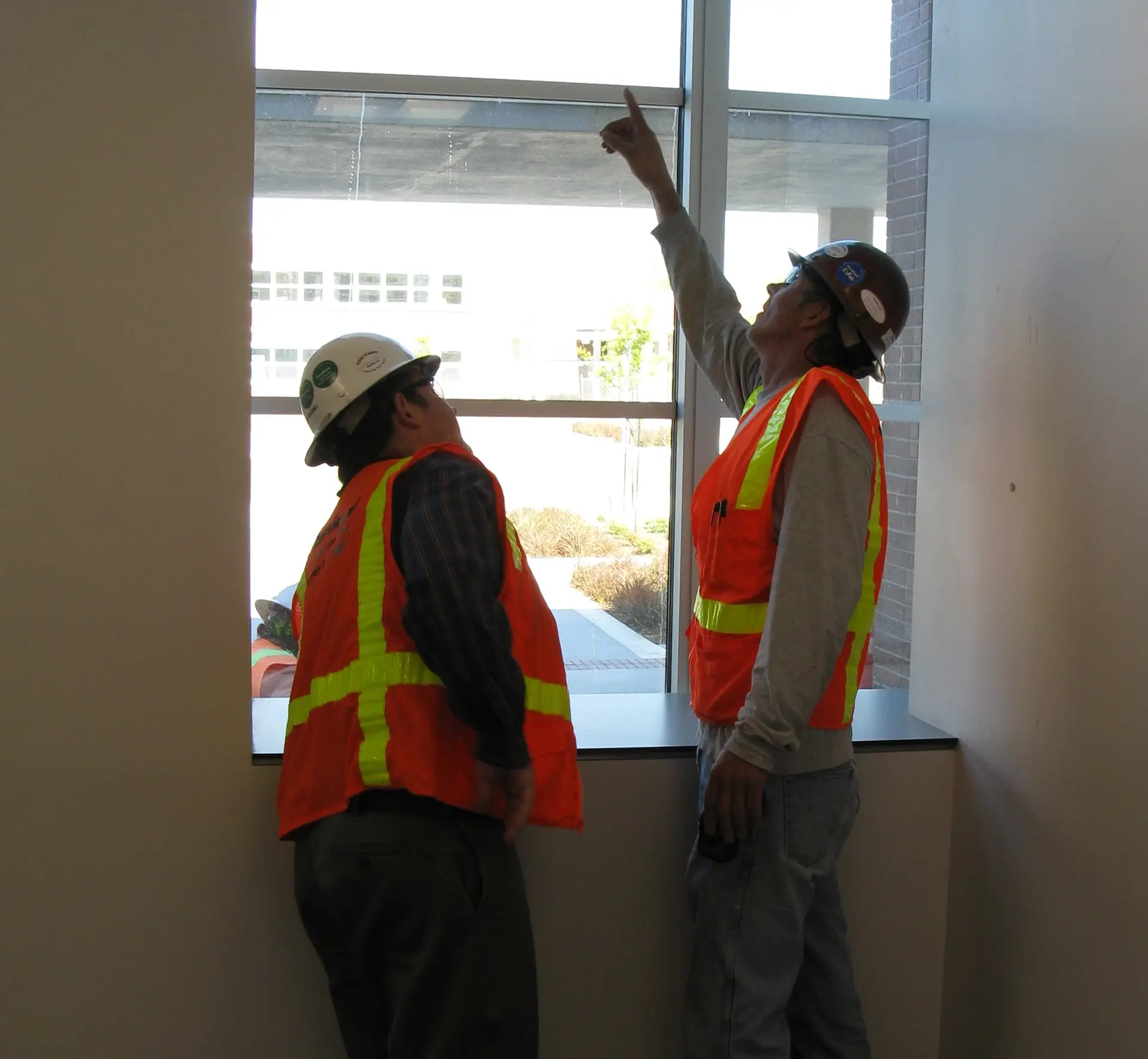
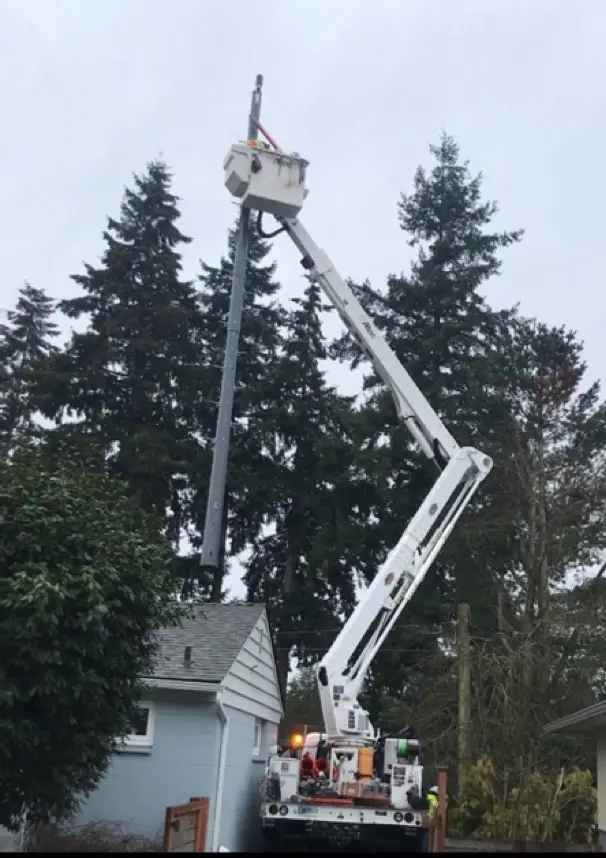
There’s always a gap between how procedures say work should happen and how it actually gets done in the field. Closing that gap starts with listening.

Systems, Not People
Safety failures are system problems. When we treat them as people problems, we fix the wrong thing — and the conditions that caused the event remain unchanged.
The Environment Has to Be Safe to Learn
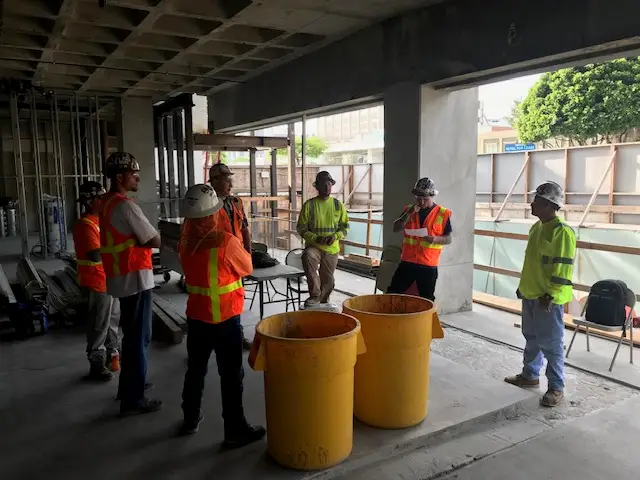
Systems can only improve when people feel safe enough to say what they know. When workers believe speaking up leads to blame, the information that could prevent the next serious event stays hidden. That’s not a morale issue, it’s a system condition. Psychological safety isn’t a soft concept. It’s the foundation that makes operational learning possible. Building an environment where people are heard is part of how operational performance improves. Without it, learning doesn’t happen.
FAQs
Questions about the philosophy behind operational learning and what it means in practice.
Operational Learning describes what we’re actually doing building the capacity to learn from the work itself, from the people closest to it. It’s action-oriented. It points somewhere. It doesn’t require a preamble.
The principles behind it aren’t new. But leading with theory creates a long road before anything useful happens. Operational Learning skips that. It starts with a simple question: what do the people doing the work already know, and how do we use that to make the system stronger?
That’s the north star. Everything else follows from it.
The principles behind operational learning, systems thinking, understanding work as done, learning from near misses. have been around for decades. What’s changed is our ability to apply them practically in high-hazard field environments.
Not all friction is bad. The right kind of friction pausing before a critical task, asking a question that surfaces a hidden hazard can be lifesaving. The goal isn’t to eliminate friction. It’s to be intentional about where it belongs.
SIF prevention is the highest-stakes application of operational learning. We use tools like Bow Tie Analysis and Energy Wheel to identify precursor conditions before a serious event occurs — rather than waiting to learn from a tragedy.