
Services built for organizations that are serious about learning from work
The gap between your safety program and the work actually happening, that's where serious injuries live.
Program Assessment
Your program looks good on paper. A Program Assessment finds where it actually breaks down, in the field, under pressure, where the real work happens. It evaluates whether Human and Organizational Performance (HOP) principles are making it into daily practice or stopping at the policy level. You get clear findings and a practical path forward, not a compliance checklist.
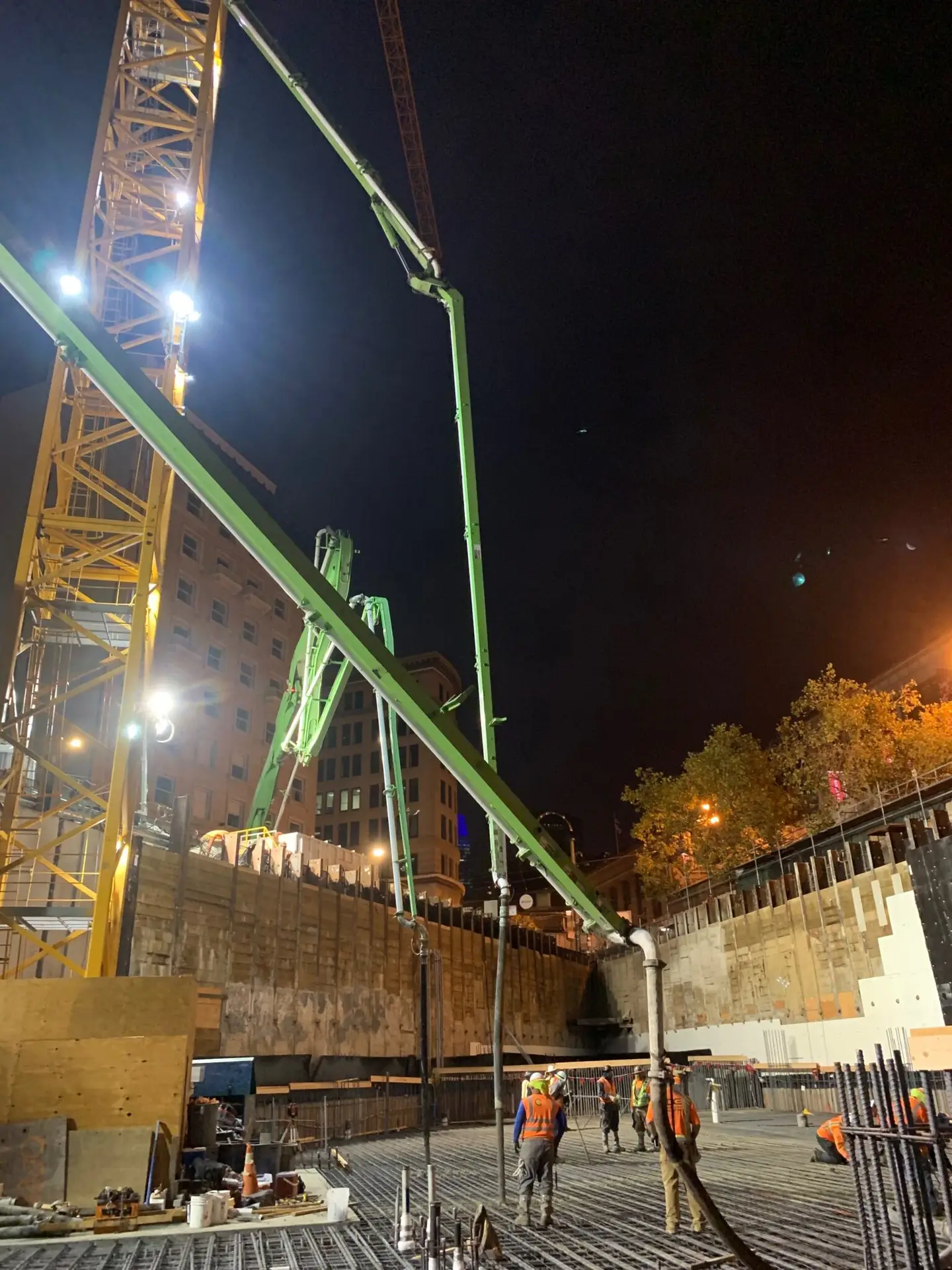
Learning Team Facilitation
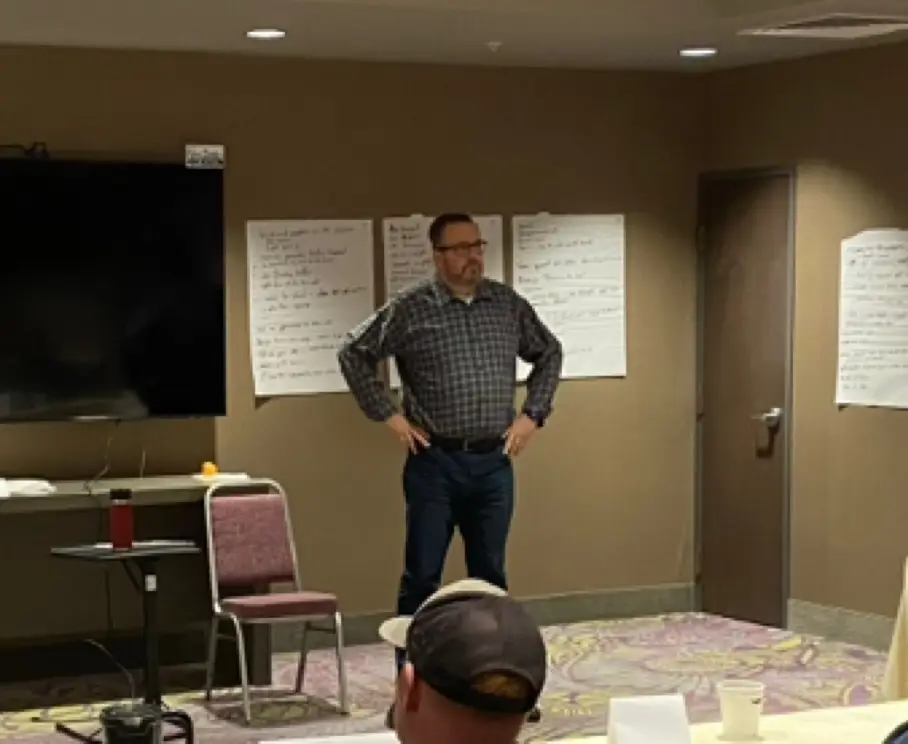
The people doing the work already know where the gaps are. A Learning Team is how you surface that knowledge, structured, facilitated conversations that tell you what no document review ever will.
I bring experience facilitating in high-stakes environments, including situations where organizational, legal, or regulatory complexity makes the conversation harder to have. In those moments, how the process is structured and who leads it matters. Learning Teams work best when people feel safe enough to say what they know. That’s the environment I help create.
I also work with safety professionals and operational leaders who want to build their own facilitation capability, teaching the approach and mentoring them through their first Learning Teams so the skill stays in the organization after I leave.
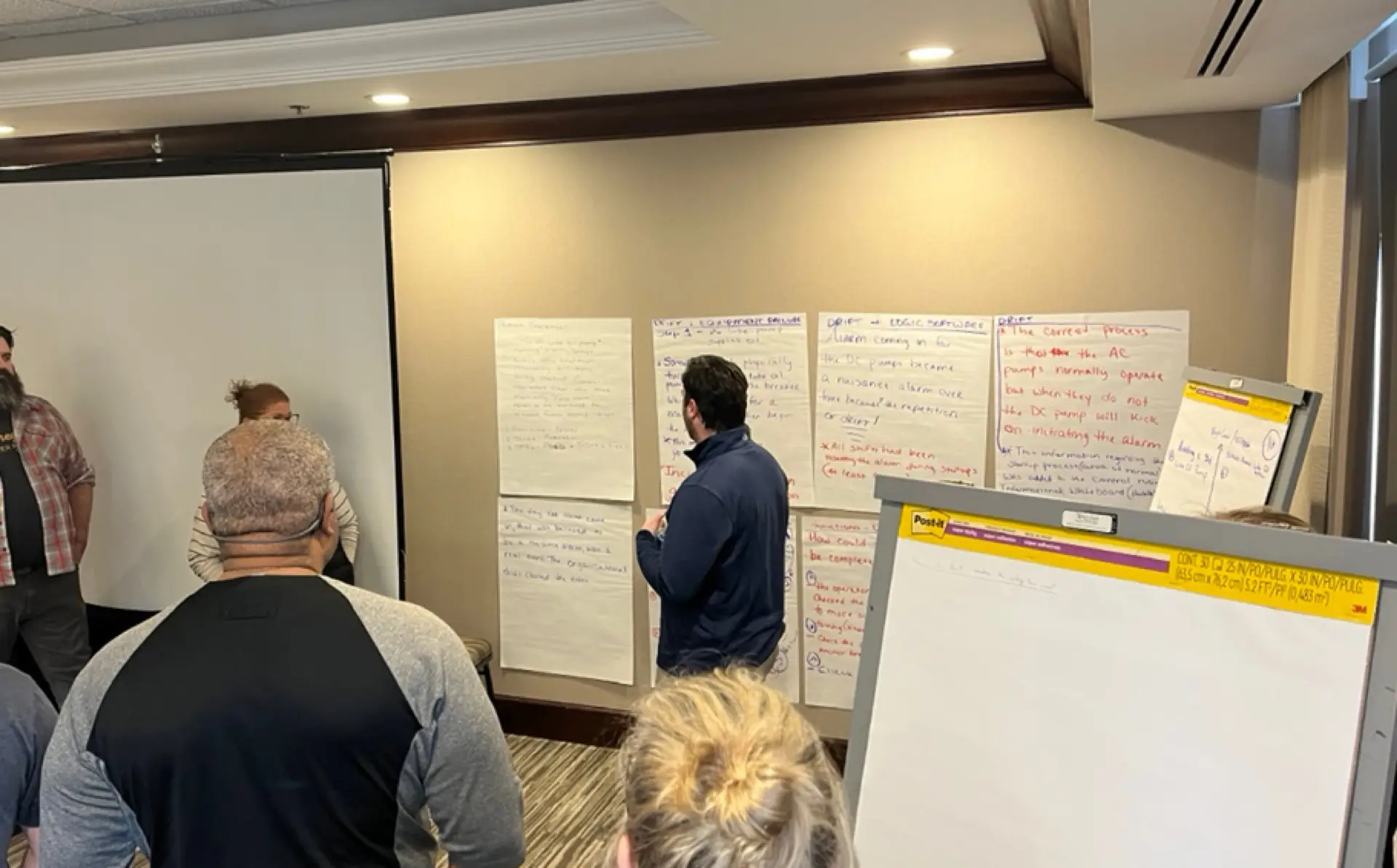
Field Support & Project Support
High-hazard work doesn’t wait for the conference room. I show up where the work is, on project sites, during critical phases, and when something goes wrong.
Field support is where operational learning becomes a leadership skill. Working alongside your teams, I help leaders build psychological safety and an environment of ownership, where workers feel heard, problems surface early, and accountability grows from participation. I’ve worked across construction, energy, and utility sites throughout the region. Wherever the work is, that’s where this happens.
High-Hazard Risk Tools
Bow Tie Analysis and the Energy Wheel are practical frameworks for making high-energy hazards visible and manageable before they result in serious injury. Bow Tie maps the path from hazard to consequence and the controls that sit between them. The Energy Wheel identifies energy sources and the barriers that keep them from reaching people. Both are built for field application, tools your teams can actually use, not classroom concepts that stay in the binder.
Training & Workshops
Operational learning training, Human and Organizational Performance (HOP) workshops, leadership working sessions, and SIF assessments built for construction, energy, and utility industries. Sessions cover how to build psychological safety, develop leadership skills that create environments of ownership, and move operational learning from concept into daily practice. I teach the content and stay alongside leaders as they put it to work, training and mentorship, not a one-time event. I’ve delivered programs locally in the Boise region, across North America, and internationally, bringing the same field-grounded approach wherever the work happens.
Why Operational Learning Works
Real-World Insight
Built on nearly a decade of field experience in construction and energy not theory.
Systems Thinking
Safety failures are system problems, not people problems. We work on the system, not the individual.
Proven Methodologies
Operational Learning, Learning Teams, SIF Prevention, Bow Tie Analysis, and the Energy Wheel, tools that work in high-hazard environments.
Built for Your Industry
Construction, energy, utilities, and high-hazard operations each have unique risks. Our approach fits the work you actually do.
FAQs
These are the questions we hear most often about operational learning and what it means in practice.
It’s a fair question and a common one. But the opposite tends to be true. When you bring people into the process and genuinely listen to how the work succeeds and where it struggles, you start building an environment of ownership. People stop hiding problems and start owning them. Real accountability isn’t built through punishment it’s built through participation. When workers help identify what’s broken in the system, they become invested in fixing it.
Construction, energy, utilities, and other high-hazard industries where the gap between policy and field reality creates serious risk.
A structured, facilitated conversation with the people doing the work. The goal is to understand how work actually gets done — not to assign blame.
A traditional audit measures compliance. Operational learning surfaces the real conditions your people are working in every day.
Start by taking an honest look at your existing programs and processes for handling unwanted events. Ask yourself: is the focus on generating paperwork to stop the pain or on actually learning something? Do you have a process that evaluates good learning opportunities, takes time to understand what happened, and makes meaningful improvements? Or does the pressure push you toward closing the file and “fixing the problem” as fast as possible?
The best entry point is usually identifying where you can make small changes to your existing process changes that create more space for learning and less bureaucracy. You don’t have to rebuild everything at once. Start where the system already has some openings.