
What Actually Happened Out There — and What Can We Learn From It?
A Learning Team is a structured conversation with the people doing the work. Not a blame session. Not an investigation. A genuine attempt to understand how work gets done, and where the system needs to change.
What a Learning Team Is — and Isn't
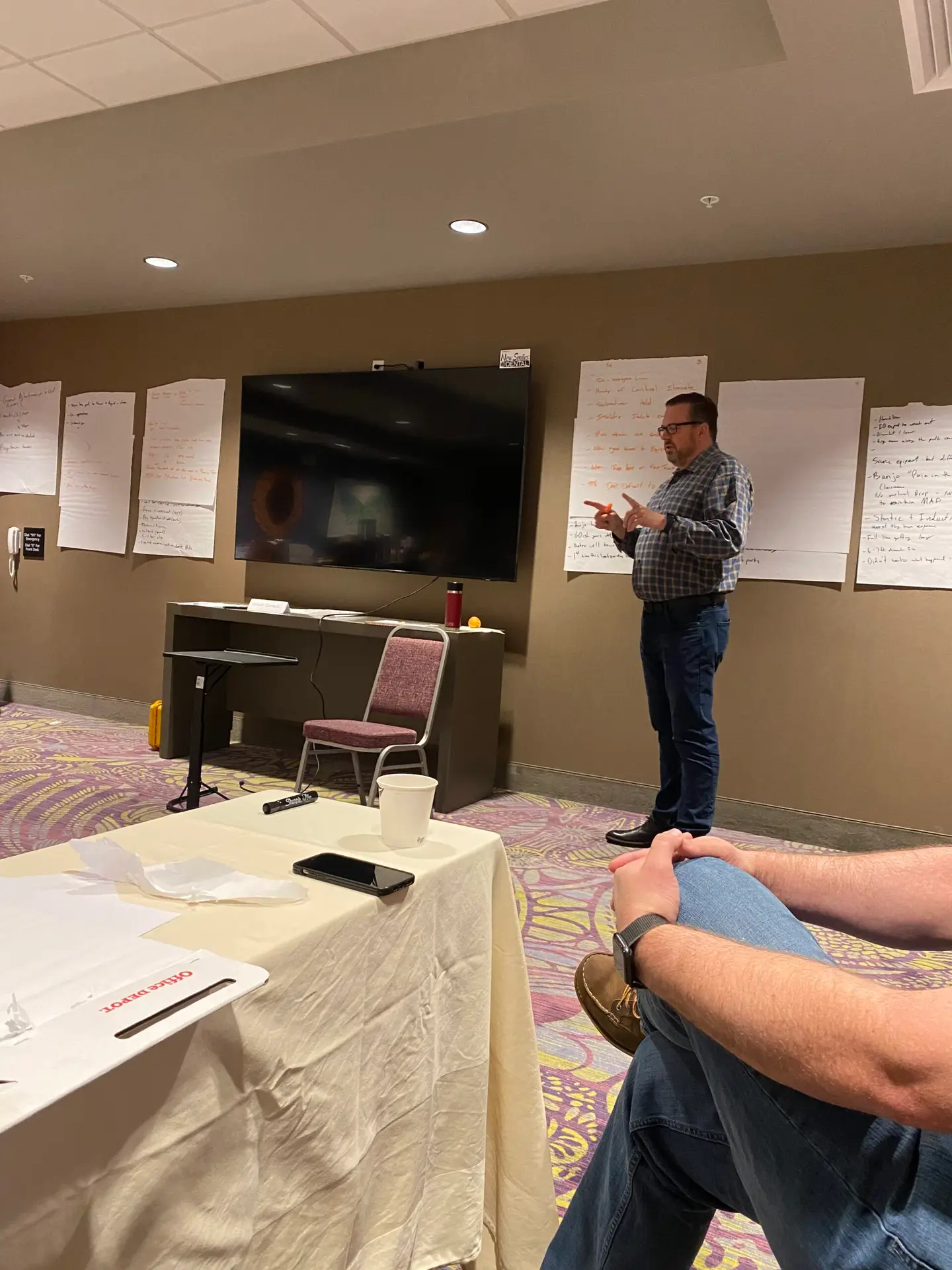
A Learning Team isn’t a root cause analysis. It isn’t a disciplinary process in disguise. It’s a facilitated conversation that brings workers into the room and asks them to share how work actually succeeds and where it struggles. The insights that come out of a well-run Learning Team are things your safety program will never find in a document review.
What Changes When You Start Learning
Most organizations already have the answers. They just haven’t asked the right people yet.
01
You Find Out What's Actually Happening
Not what the procedure says. Not what people tell you during an audit. What's really happening in the field every day.
02
Workers Feel Heard — and Start Owning It
When people are brought into the process and genuinely listened to, something shifts. You stop building compliance and start building an environment of ownership.
03
You Fix the Right Things
Most corrective actions fix the symptom, not the system. Learning Teams help you identify what actually needs to change, and why.
Ready to hear what your workforce already knows?
The people doing the work already know where the gaps are. A Learning Team is how you surface that knowledge and put it to use.
FAQs
Common questions about Learning Teams and how they work in practice.
An investigation looks backward to assign cause. A Learning Team looks at the system to understand conditions — including near misses and everyday work, not just incidents. The goal is learning, not liability.
When facilitated well, yes. The key is psychological safety, workers need to know the conversation won’t be used against them. That’s why facilitation matters and why an outside facilitator often works better than an internal one.
A typical Learning Team runs in two sessions. The first is the facilitated conversation with workers — usually 2–4 hours depending on the topic and group size. The second is a follow-up session to review findings, confirm understanding, and identify what changes need to happen. The preparation and follow-through matter as much as the sessions themselves.
That’s the most important question — and the one most organizations skip. We help you translate what you learn into specific, prioritized changes to your system, not just a summary document.
Eventually, yes and that’s the goal. But the first several sessions benefit significantly from experienced facilitation. We can also train your internal team to run them independently over time.